01
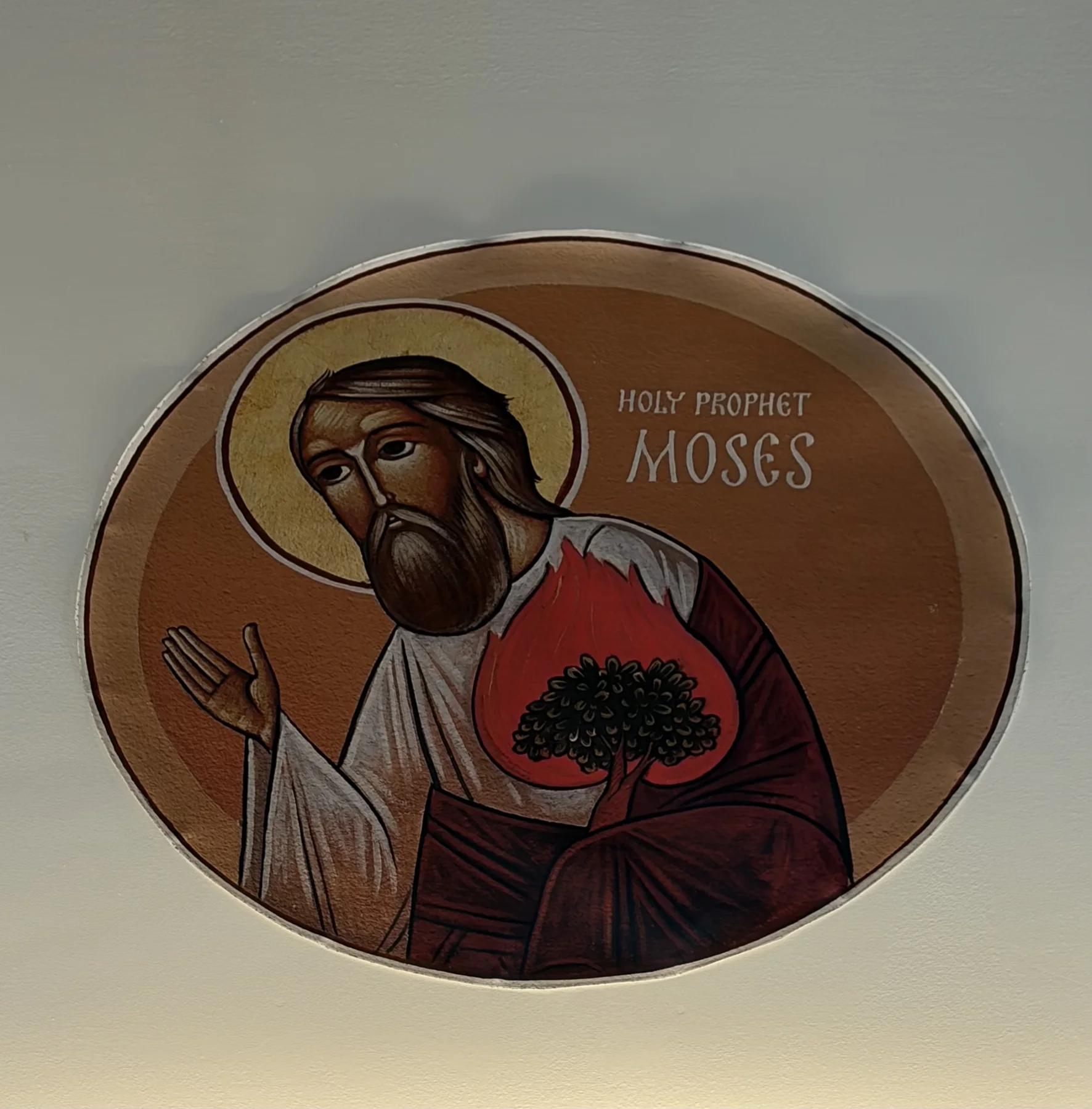
The Burning Bush
Moses Exodus 3:2
The burning bush is a symbol of Saint Mary in the Coptic tradition: bearing the presence of God without being consumed.
01 / Iconography · A visual study
Reading the visual language of the Coptic tradition through icons at Holy Cross Coptic Orthodox Church in Farmington Hills, Michigan.
7 photographic studiesIn these icons, Old Testament figures carry symbols associated with Saint Mary. Select a photograph for a closer look; each study pairs the image with its scriptural reference and interpretation.
The icons are church artworks presented here as subjects of study. Text and selections by Sophia Fahim.
Moses Exodus 3:2
The burning bush is a symbol of Saint Mary in the Coptic tradition: bearing the presence of God without being consumed.
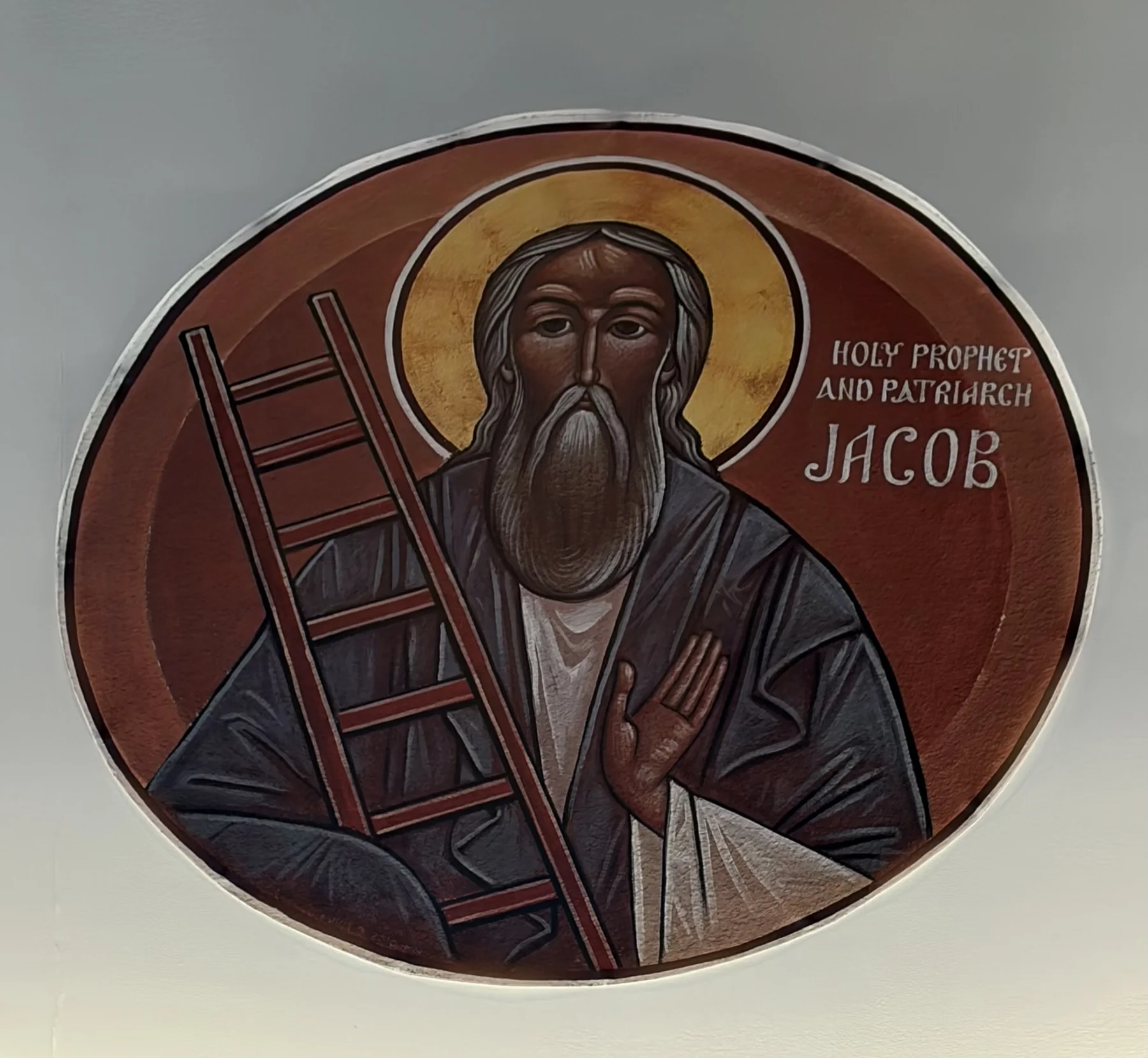
Jacob Genesis 28:12
Christ came into the world through Saint Mary’s divine passage.
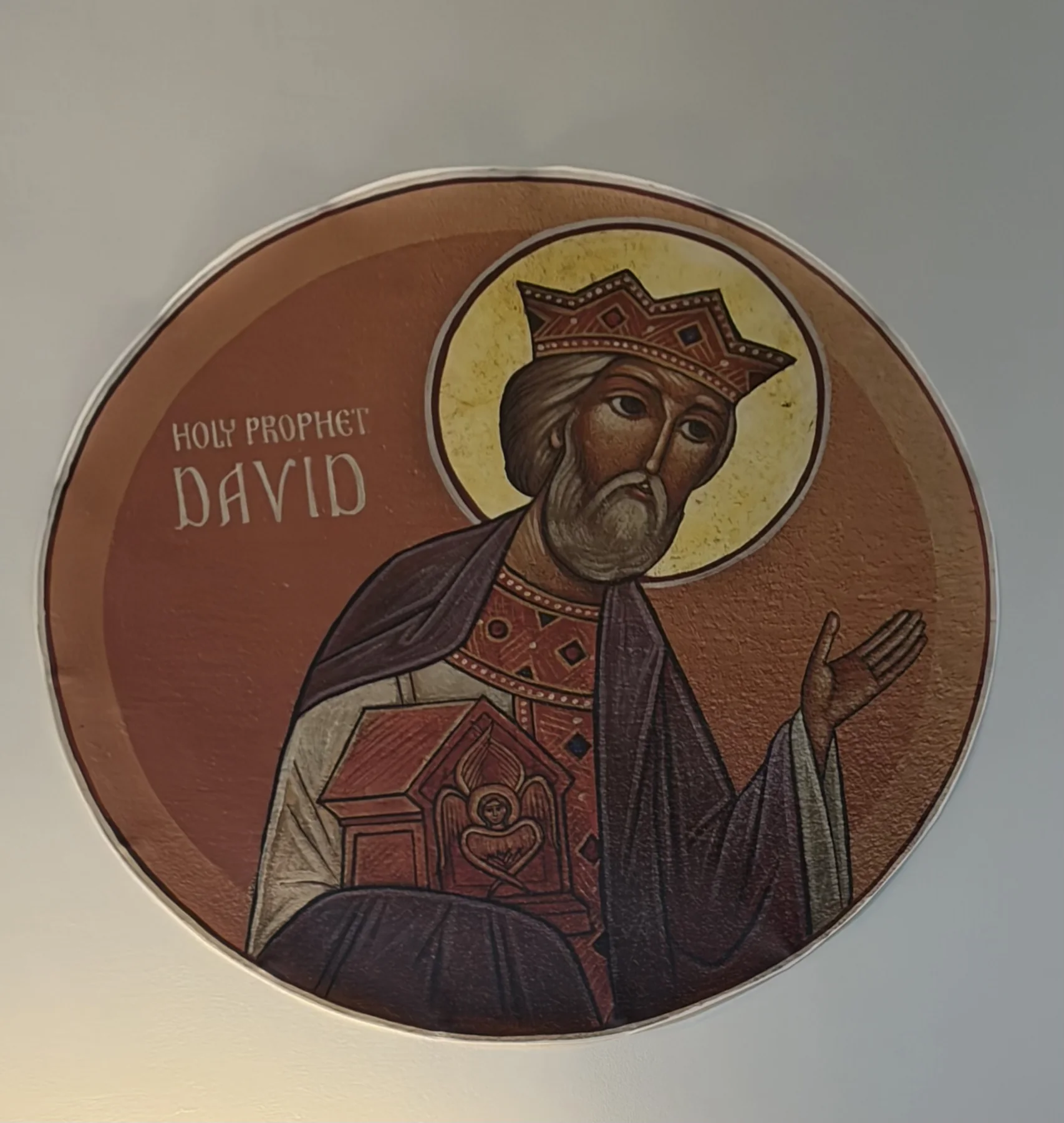
David Exodus 40:34–35
The tabernacle was the dwelling place of God in the Old Testament, similar to Saint Mary being the dwelling place of Jesus while he was in her womb.
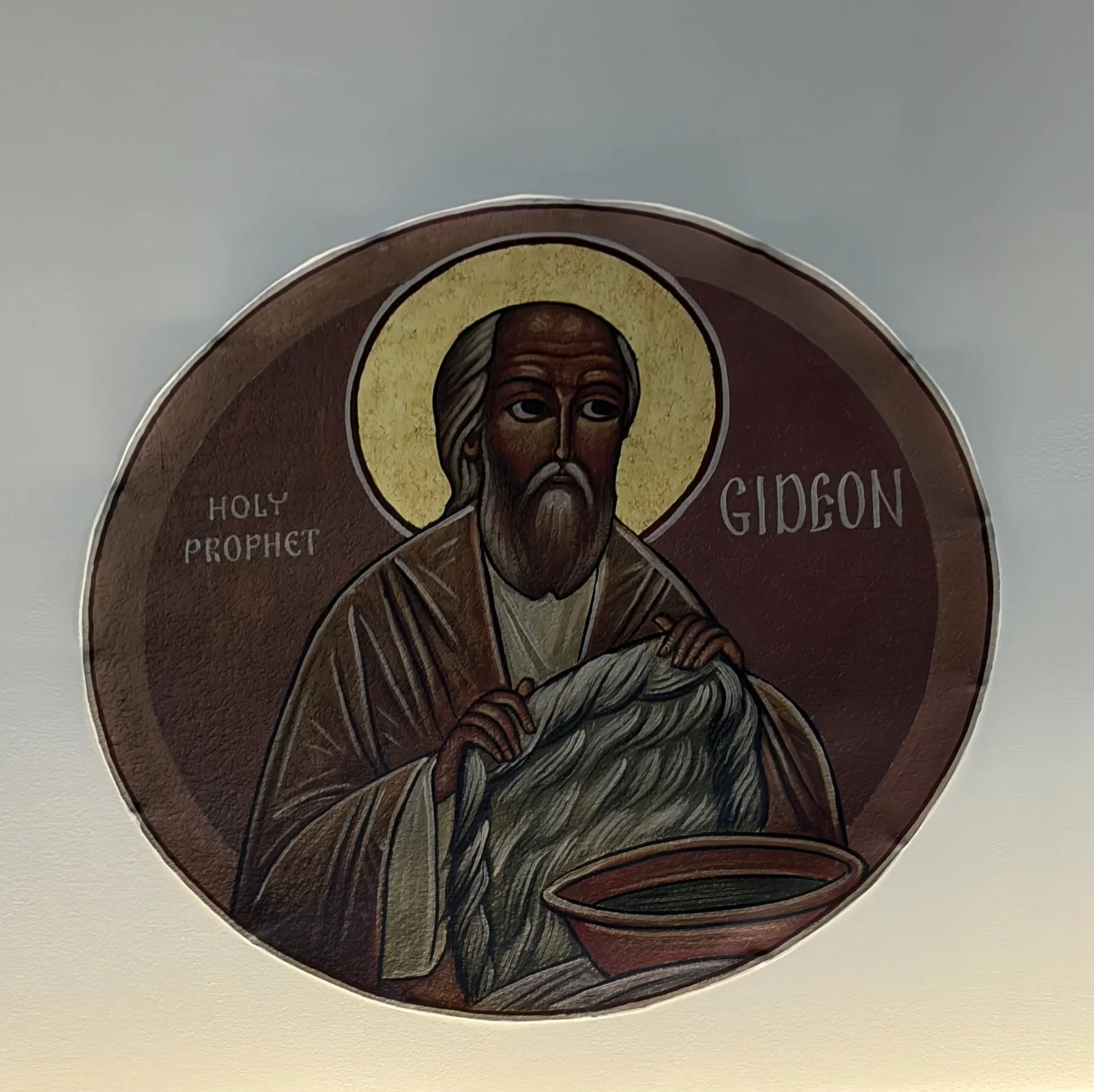
Gideon Judges 6:36–38
The dew symbolizes the living water of Christ and the fleece symbolizes Saint Mary who brought the water of life into the spiritually parched world.
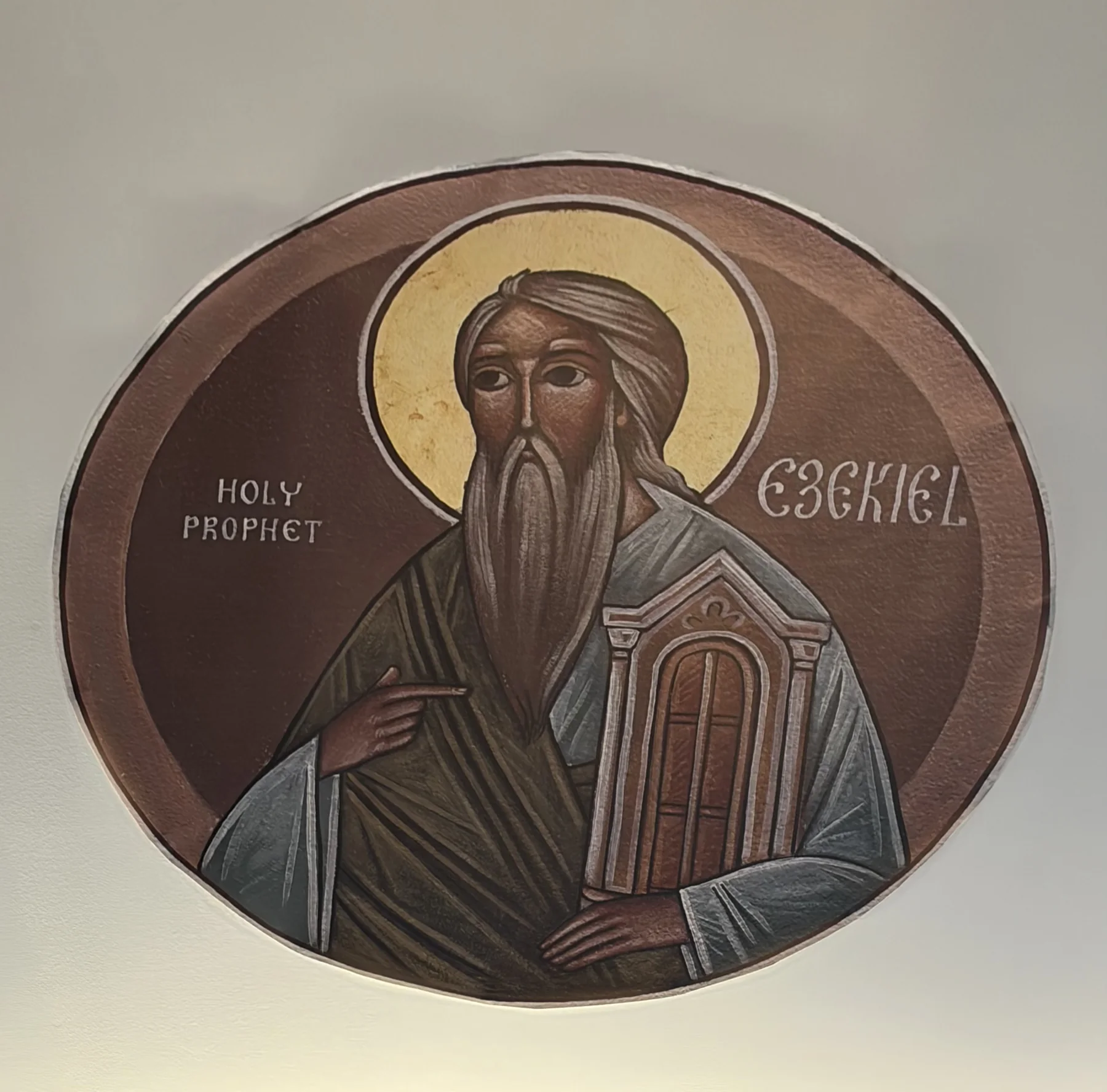
Ezekiel Ezekiel 44:1–2
The gate through which the Lord entered was commanded to remain shut after, symbolizing Saint Mary as the gate the Lord came through which would never be used again.
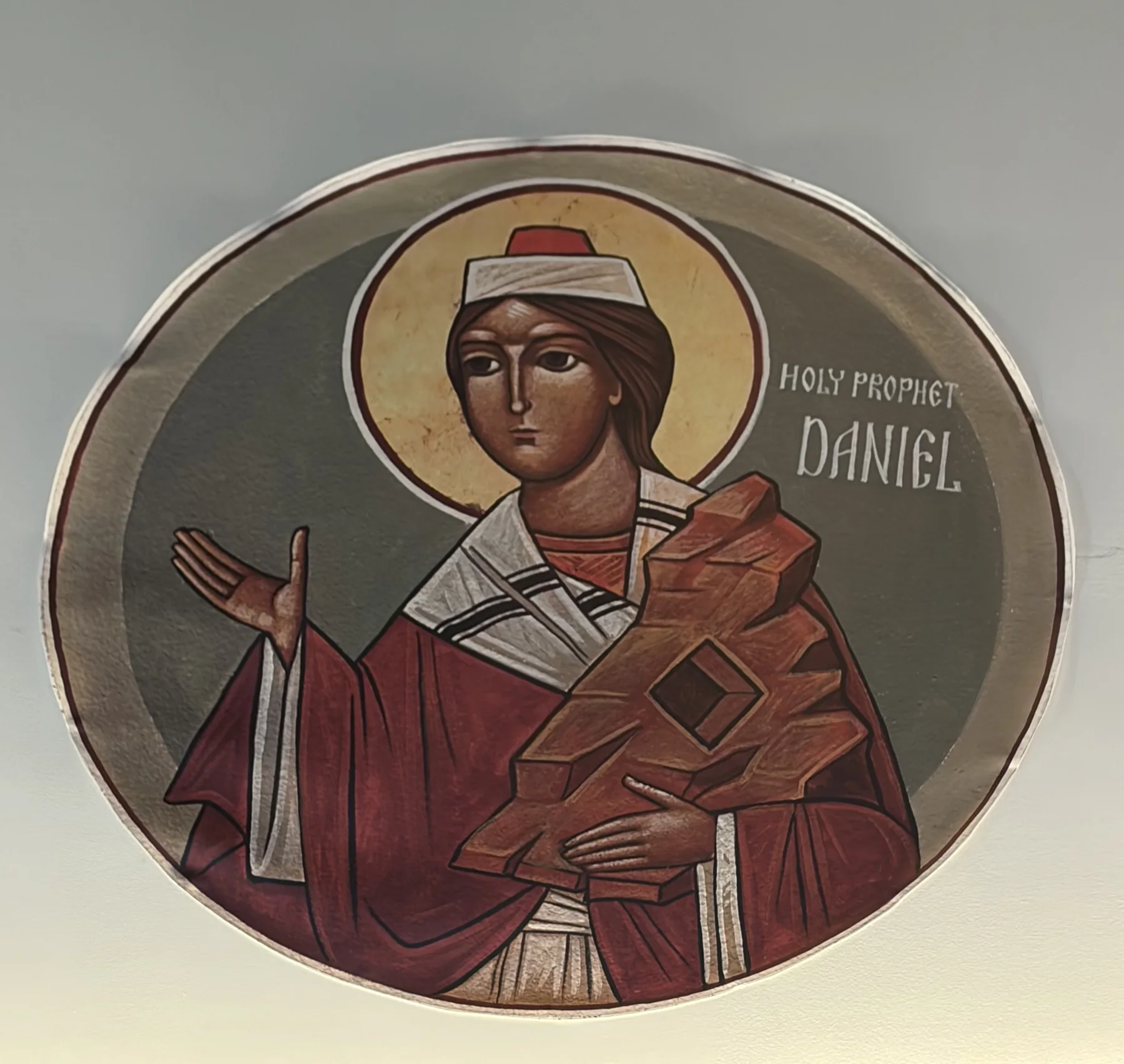
Daniel Daniel 2:34
This symbol refers to a specific dream interpreted by Daniel the Prophet, in which a stone was cut out of a mountain without human hands. The hole within the mountain symbolizes Mary’s womb; because the stone was cut out of the rock without hands, it symbolizes Jesus being conceived without human intervention.
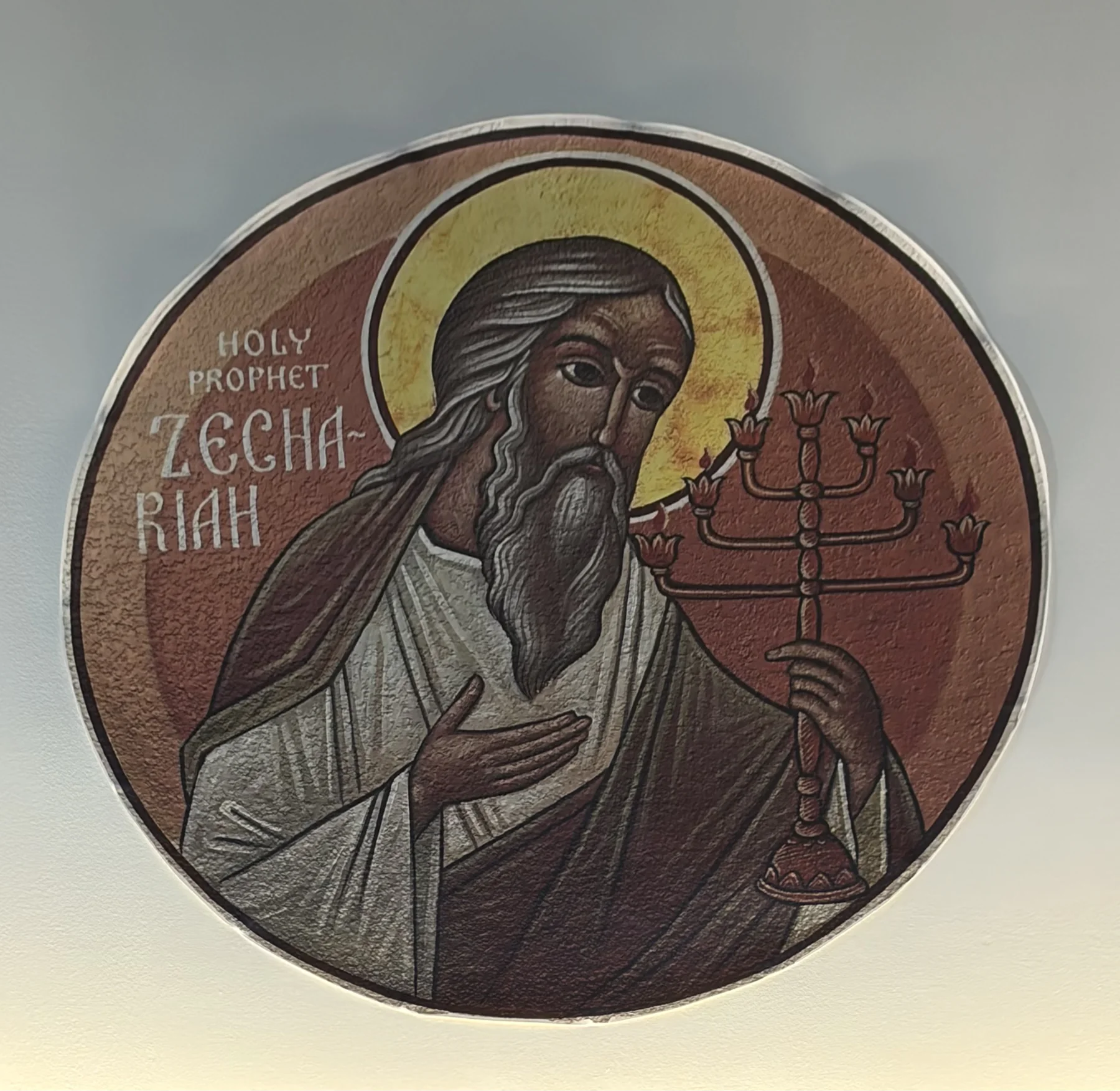
Zechariah Zechariah 4:2
Jesus is the true light of the world and Mary physically carried Jesus, so she is the lampstand that brought God’s light into a dark world.